How to Create Effective Employee Evaluations
17.03.2025

Employee evaluations are far more than just a bureaucratic exercise. Constructive feedback is vital for both personal and professional growth. It’s a perfect opportunity to identify each employee’s strengths and weaknesses and help improve their overall performance. In turn, this contributes to the company’s growth and supports a healthy workplace culture. Modern attendance and HR systems can help you carry out evaluations efficiently and with ease.
Haven’t introduced performance reviews yet? That’s a missed opportunity – they’re valuable not only for employees but also for employers. Here are six good reasons to get started:
A fair evaluation should be based on facts rather than personal impressions. Before you begin, make sure to clearly define the criteria or key competencies for the specific role – and share these with your employees.
Use specific examples and evidence during the review. Let the employee know what their strengths and weaknesses are. Set clear goals – what needs improvement, how it can be achieved, and by when.
A key part of any review is an employee’s work performance. If it’s measurable, you can track it using key performance indicators (KPIs). Also consider the quality of work, their problem-solving approach, and how well they meet deadlines. Don’t forget to evaluate how they interact with colleagues and whether they’re a team player.
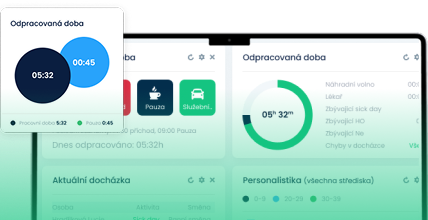
And finally, don’t overlook punctuality. There’s no need to dig through logbooks – with a reliable system like GIRITON Attendance, you’ll have all the data you need right at your fingertips.
It might seem more urgent to focus on what's not working. That’s why problem employees often get the most attention, while high performers are left to get on with things. But your best employees also deserve feedback. When someone sees their efforts are appreciated and receives suggestions for improvement, it motivates them to maintain or even improve their performance. It also boosts loyalty and reduces fluctuation.
There’s no point beating around the bush. If an employee – or the whole team – is facing challenges, say it openly. Clear, straightforward communication is far more likely to lead to real improvement. Be direct, and present your expectations in the way you’d want to hear them yourself.
Don’t email performance reviews – it’s far better to hold a face-to-face meeting. It shows the employee that they matter and that you're taking the time for them. You’ll also be able to gauge their reaction and give them a chance to respond immediately. It doesn’t have to be a formal sit-down in an office – a friendly, relaxed setting like a nearby café or restaurant can help set the right tone.
Avoid vague or generic statements. Whether you’re offering praise or constructive criticism, be as specific as possible. Describe exactly what went well, and how it impacted the business. This shows the employee their work is valued and meaningful.
For example:
“We’ve noticed you’ve improved your communication with clients and are responding to their requests more quickly. We really appreciate this – it’s helped boost overall customer satisfaction.”


.png)